
- Home
-
- Health Problems We Treat
- Blog
-
Resources
- Contact
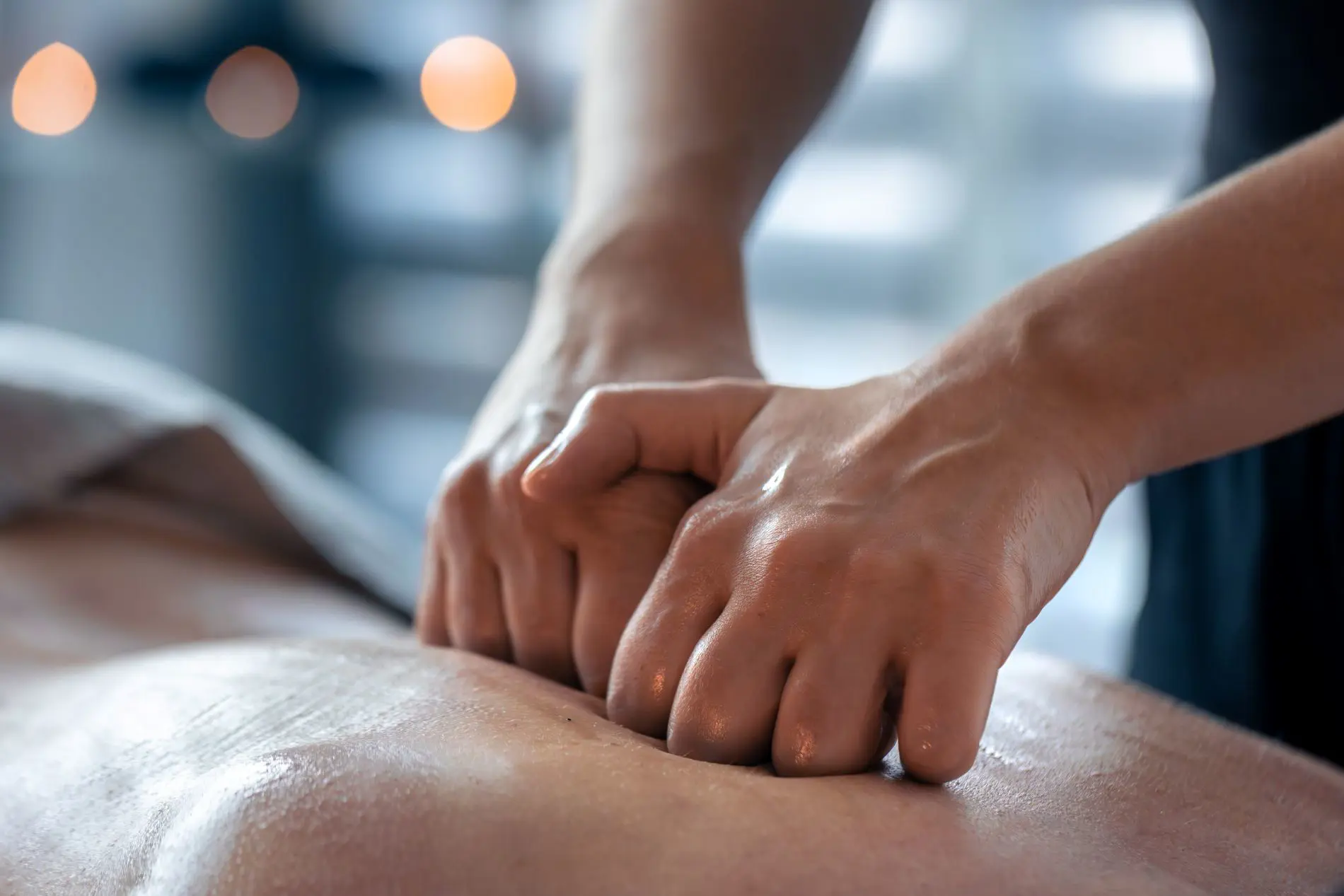
At Nutrition & Acupuncture Wellness Center, we understand that trauma can affect much more than the area where pain is felt. Automobile accidents, sports injuries, surgery, repetitive strain, chronic stress, and emotionally difficult experiences can all create protective patterns throughout the body.
These patterns may contribute to muscle tension, fascial restrictions, decreased mobility, chronic pain, fatigue, headaches, and ongoing nervous system stress. Our Trauma Massage Therapy program is designed to address these complex physical responses while providing a supportive environment that encourages the body's natural healing process.
Unlike a traditional relaxation massage, trauma massage considers the relationship between the musculoskeletal system, connective tissue, stress response, and nervous system. Each session is personalized around the patient's symptoms, comfort level, health history, and recovery goals.
Trauma Massage Therapy is a specialized therapeutic approach that recognizes the connection between physical health, emotional well-being, and nervous system function.
After an injury or stressful event, the body naturally activates protective responses. Muscles may tighten, connective tissue can become restricted, and the nervous system may remain in a heightened state of alertness even after the original event has passed.
Over time, these patterns may contribute to:
Chronic muscle tension and stiffness
Limited range of motion
Neck, shoulder, and lower back discomfort
Headaches and jaw tension
Postural changes
Sleep disturbances and fatigue
Persistent physical discomfort
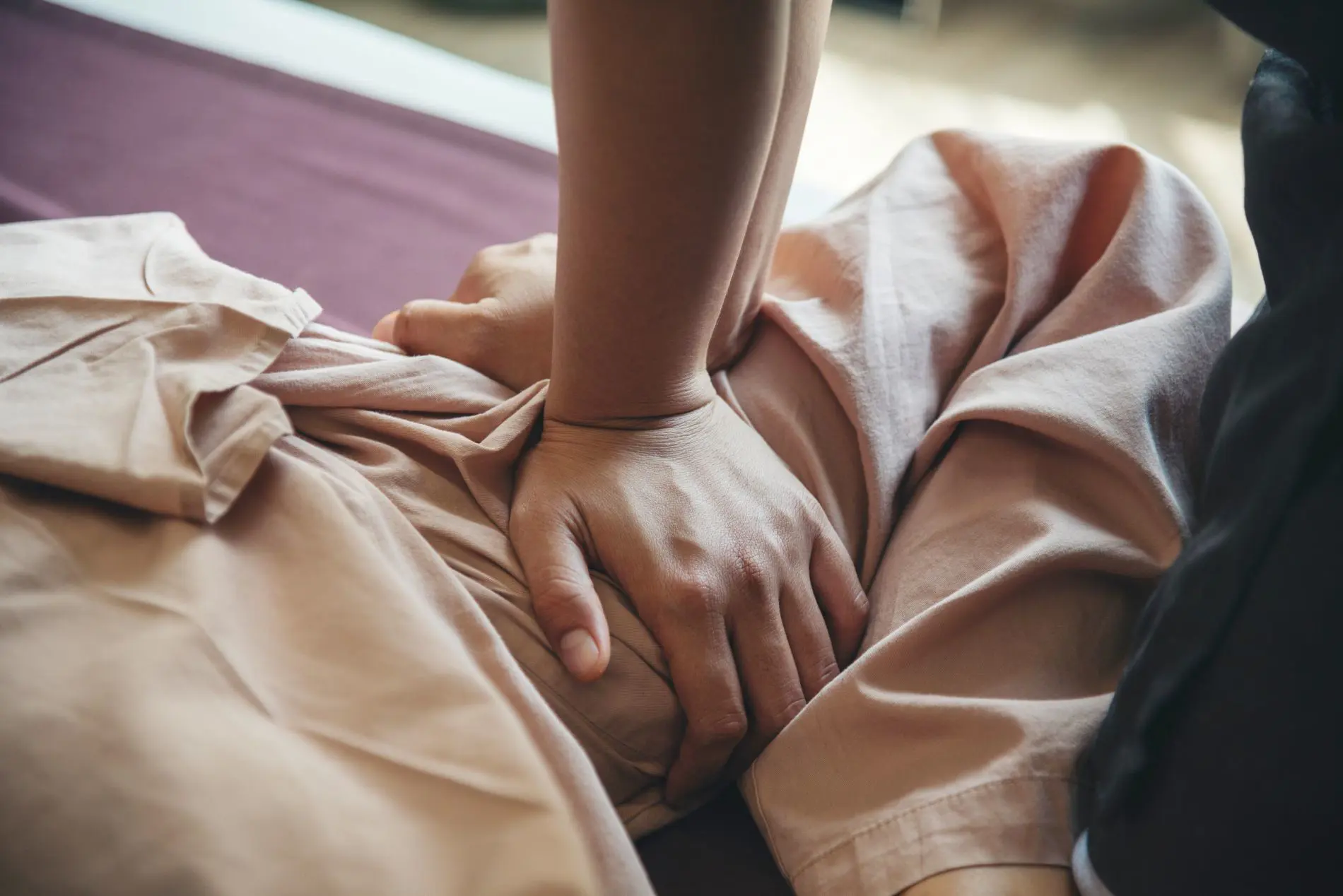

The body's fascia is a network of connective tissue that surrounds muscles, tendons, ligaments, nerves, blood vessels, and organs. Following injury, surgery, inflammation, repetitive movement, or prolonged stress, fascia can become tight and restricted.
These restrictions may create tension patterns that extend beyond the original area of injury. This is one reason patients may continue experiencing discomfort even after the initial injury appears to have healed.
Restricted soft tissue mobility
Chronic muscular guarding
Reduced circulation
Altered posture and movement patterns
Neck and shoulder tightness
Lower back discomfort
Headaches and jaw tension
Reduced flexibility and range of motion
Trauma Massage Therapy works to reduce these restrictions, improve tissue mobility, support circulation, and encourage the nervous system to move toward a calmer state that supports rest, repair, and recovery.
Swedish Massage uses long, flowing strokes, gentle kneading, and rhythmic movements to improve circulation and help tense muscles gradually relax.
For individuals recovering from physical or emotional stress, Swedish Massage may help reduce muscular tension, encourage healthy circulation, support lymphatic movement, and promote relaxation.
Because this approach is generally gentle and restorative, it can be a helpful starting point for patients who are sensitive to deeper bodywork or are beginning massage therapy after an injury or stressful experience.
Myofascial Release focuses on restrictions within the body's fascial system. Injury, surgery, inflammation, repetitive movement, and chronic stress can cause fascia to become less flexible and contribute to ongoing discomfort.
This technique uses gentle, sustained pressure over areas of restriction to encourage the connective tissue to gradually soften and lengthen.
Myofascial Release may be incorporated into care for patients experiencing persistent neck or back pain, shoulder restriction, scar tissue, repetitive strain, fibromyalgia, or limited mobility.
Shiatsu is a Japanese bodywork technique that uses gentle finger pressure, stretching, and rhythmic movements along specific pathways throughout the body.
The therapy combines physical bodywork with a focus on relaxation and overall balance. Patients may seek Shiatsu to help manage muscle tension, headaches, fatigue, stress, digestive discomfort, and chronic pain.
Shiatsu may also complement acupuncture as part of a broader holistic treatment plan.
Tuina Massage is a traditional form of Chinese therapeutic bodywork that combines rhythmic compression, stretching, joint mobilization, and acupressure techniques.
Rather than focusing only on relaxation, Tuina is commonly used to support movement and address musculoskeletal discomfort.
Sports injuries
Neck and shoulder discomfort
Lower back pain
Sciatica
Tendon and joint dysfunction
Repetitive stress conditions
Because Tuina shares many principles with acupuncture, the two therapies may work well together as part of an individualized wellness plan.
At Nutrition & Acupuncture Wellness Center, we recognize that pain is rarely influenced by one factor alone. Inflammation, posture, nutrition, sleep, stress, movement patterns, and nervous system health may all contribute to how a patient feels.
Trauma Massage Therapy may be incorporated into a broader treatment plan that includes acupuncture, functional medicine, nutritional counseling, or PEMF therapy when appropriate.
The goal is not simply to provide temporary relief, but to support healthier tissue movement, improved function, nervous system regulation, and a more sustainable recovery process.
No two patients experience pain, injury, or stress in exactly the same way. Each massage session therefore begins with a review of your health history, current symptoms, previous injuries, lifestyle factors, and treatment goals.
Throughout the session, your therapist maintains open communication so that pressure, positioning, and treatment techniques remain appropriate and comfortable.
This patient-centered approach allows individuals to remain involved in their own care while receiving treatment designed around their specific needs.
Healing involves more than simply reducing pain. It also means restoring movement, improving physical function, supporting relaxation, and helping the body return to a healthier state of balance.
Trauma Massage Therapy offers a personalized approach for individuals recovering from accidents, surgery, sports injuries, repetitive strain, chronic pain, or the physical effects of prolonged stress.
