
- Home
-
- Health Problems We Treat
- Blog
-
Resources
- Contact
Digestive Health • IBS • Gut–Brain Axis
Many people in Palmyra, South Jersey, and Philadelphia are told IBS is “just a gut issue.” In reality, IBS symptoms often track closely with stress physiology, vagus nerve signaling, and overall autonomic nervous system balance.
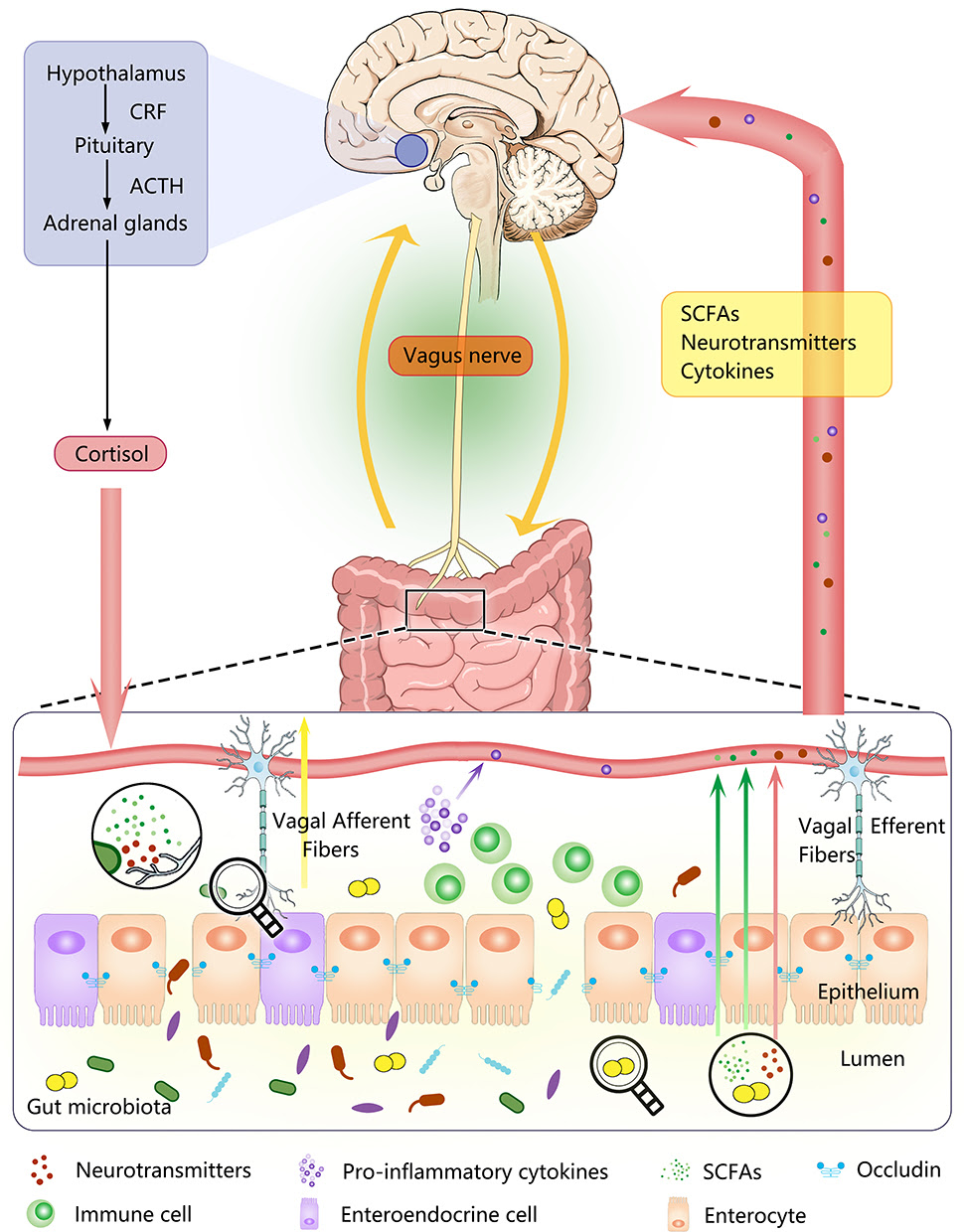
If you’ve tried elimination diets, probiotics, or “gut protocols” and still feel stuck, it’s worth zooming out. Irritable Bowel Syndrome (IBS) is often a condition of regulation—how your nervous system, gut, immune signaling, and digestive output work together—rather than a single isolated gut defect.
This does not mean IBS is “all in your head.” It means your gut is highly responsive to nervous system signals, and when those signals are stuck in high-alert mode, symptoms like bloating, urgency, constipation, diarrhea, or cramping can become more frequent and harder to predict.
Our clinic supports patients across Palmyra, South Jersey, and Philadelphia with a root-cause approach that looks at nervous system balance, digestive function, and inflammation patterns—not just symptom suppression.
Your digestive tract isn’t just a tube for processing food—it has its own vast neural network (the enteric nervous system) and communicates constantly with your brain through a two-way feedback loop called the gut–brain axis.
Communication happens through multiple channels:
This is why IBS symptoms often worsen during stress, travel, sleep disruption, “rushing meals,” intense work periods, or emotionally demanding seasons—even when the diet looks “clean.”
One of the most common patterns we see is sympathetic dominance—spending too much time in fight-or-flight physiology. In this state, the body prioritizes survival over digestion.
When the nervous system shifts into fight-or-flight:
This helps explain why some people can “eat perfectly” and still flare if the nervous system stays stuck in high alert. IBS isn’t always a willpower problem—it’s often a regulation problem.
In some people, chronic stress is associated with reduced stomach acid output. Lower stomach acid can make digestion less efficient, which may increase bloating, trigger reflux-like symptoms, and make certain foods feel harder to tolerate. (Not everyone has low acid, but it’s a common functional pattern.)
Breaking down proteins, fats, and carbohydrates requires coordinated enzyme secretion and bile flow. If digestive output is reduced, meals can sit longer, symptoms can linger, and food reactivity can increase—especially with heavier meals.
IBS is often categorized by bowel patterns: constipation (IBS-C), diarrhea (IBS-D), mixed (IBS-M), or pain-dominant patterns. Stress can amplify these swings by changing how strongly the gut contracts and how quickly contents move.
Many IBS patients experience visceral hypersensitivity: the gut’s normal signals feel louder, sharper, or more urgent. This can show up as cramping, discomfort, urgency, or a feeling of being “reactive” to meals.
The vagus nerve is a major communication pathway between your brain and digestive tract. When vagal tone is stronger, the body transitions more easily into a calm, regulated state where digestion can function more smoothly.
Signs your IBS may be strongly nervous-system driven include:
Nervous system support doesn’t replace nutrition—but for many IBS cases, it becomes the foundation that makes nutrition and digestive support actually work.
Heart Rate Variability (HRV) is commonly used as a window into autonomic balance and recovery capacity. HRV is not an IBS “diagnosis,” but it can help quantify stress load and the body’s ability to adapt.
Practically, many people notice that when sleep improves, stress physiology becomes more regulated, and recovery improves, digestive symptoms can become less reactive and less frequent.
Many patients have already tried low-FODMAP, gluten-free, dairy-free, probiotics, or endless restriction. If symptoms persist, the next step is usually identifying your dominant IBS pattern—motility, stress physiology, digestive insufficiency, food reactivity, or inflammation trends—and building a structured plan around that.
IBS is typically a symptom-based label. The real goal is determining what’s driving symptoms for you. Common drivers and amplifiers include:
Sustainable IBS improvement usually involves a combination of:
If your IBS symptoms are unpredictable, start with steps that reduce noise and reveal patterns—without forcing extreme restriction. Here’s a simple 7-day reset framework many people find useful.
Before eating, do 60–90 seconds of slow breathing (in through the nose, long exhale). This simple step can help shift the body toward “rest and digest,” especially for people who eat rushed or under stress.
Choose simple, repeatable meals you tolerate well (often cooked foods, moderate portions, and predictable ingredients). The goal is to reduce variables so you can see what truly changes symptoms.
If you continue to flare despite consistent sleep, calmer meals, and a simplified plan, it’s time to investigate deeper drivers like motility issues, digestive insufficiency, inflammation trends, and food reactivity patterns.
Stress can strongly influence IBS symptoms by shifting the body into fight-or-flight mode, which may reduce digestive function, alter motility, and increase gut sensitivity.
IBS symptoms are real and often involve changes in gut motility, sensitivity, and gut–brain signaling. Stress and emotions can influence symptoms, but that does not make IBS imaginary.
The vagus nerve is a major communication pathway between the brain and digestive tract. When vagal tone is reduced, digestion and regulation can be impacted, potentially contributing to symptoms like bloating, discomfort, or irregular bowel habits.
Heart Rate Variability (HRV) is a measure related to autonomic nervous system balance and recovery capacity. Lower HRV can be associated with higher stress load and reduced resilience, which may correlate with digestive symptom flares in some people.
IBS is a symptom-based diagnosis (pain, bloating, bowel changes). SIBO refers to small intestinal bacterial overgrowth and can produce similar symptoms. The approach may differ depending on whether motility issues, stress physiology, digestive output, or other factors are driving symptoms.
Probiotics can increase gas or bloating in some people, especially when motility is sluggish or if bacterial overgrowth patterns are present. Selection and timing are often individualized.
Timelines vary. Some people notice early improvements within a few weeks, while more comprehensive gut and nervous system support commonly takes several weeks to months depending on root drivers and consistency.
Consider a deeper evaluation if symptoms persist despite diet changes, if flares are frequent or unpredictable, if stress strongly triggers symptoms, or if you’re not getting clear answers from routine workups.
If IBS symptoms are affecting your day-to-day life, the next step is identifying your dominant pattern and building a structured strategy. Our clinic supports patients across Palmyra, South Jersey, and Philadelphia with a comprehensive approach.
Medical disclaimer: This article is for educational purposes and does not provide medical advice, diagnosis, or treatment. If you have severe symptoms (persistent bleeding, unexplained weight loss, fever, severe pain, or dehydration), seek prompt medical care. Always consult a qualified healthcare professional before starting or changing any health program.
